How I manage my pain – Pain Series Part 3 of 3
This is Part 3 of three articles I wrote about pain. The first 2 are entitled:
Part 1- The real impact of pain that people cannot see
Part 2- Life impact of pain
There are many ways to treat/manage pain including, but not limited to, surgery, medications, nutrition, acupuncture, chiropractic, massage therapy, cranial sacral therapy, physical therapy, behavior modification, biofeedback, prayer, meditation, and rest/relaxation therapies. Another important component to pain management involves regulating your daily schedule so that you have the right balance of activity, rest, social interaction, quiet time, and energy-giving activities.
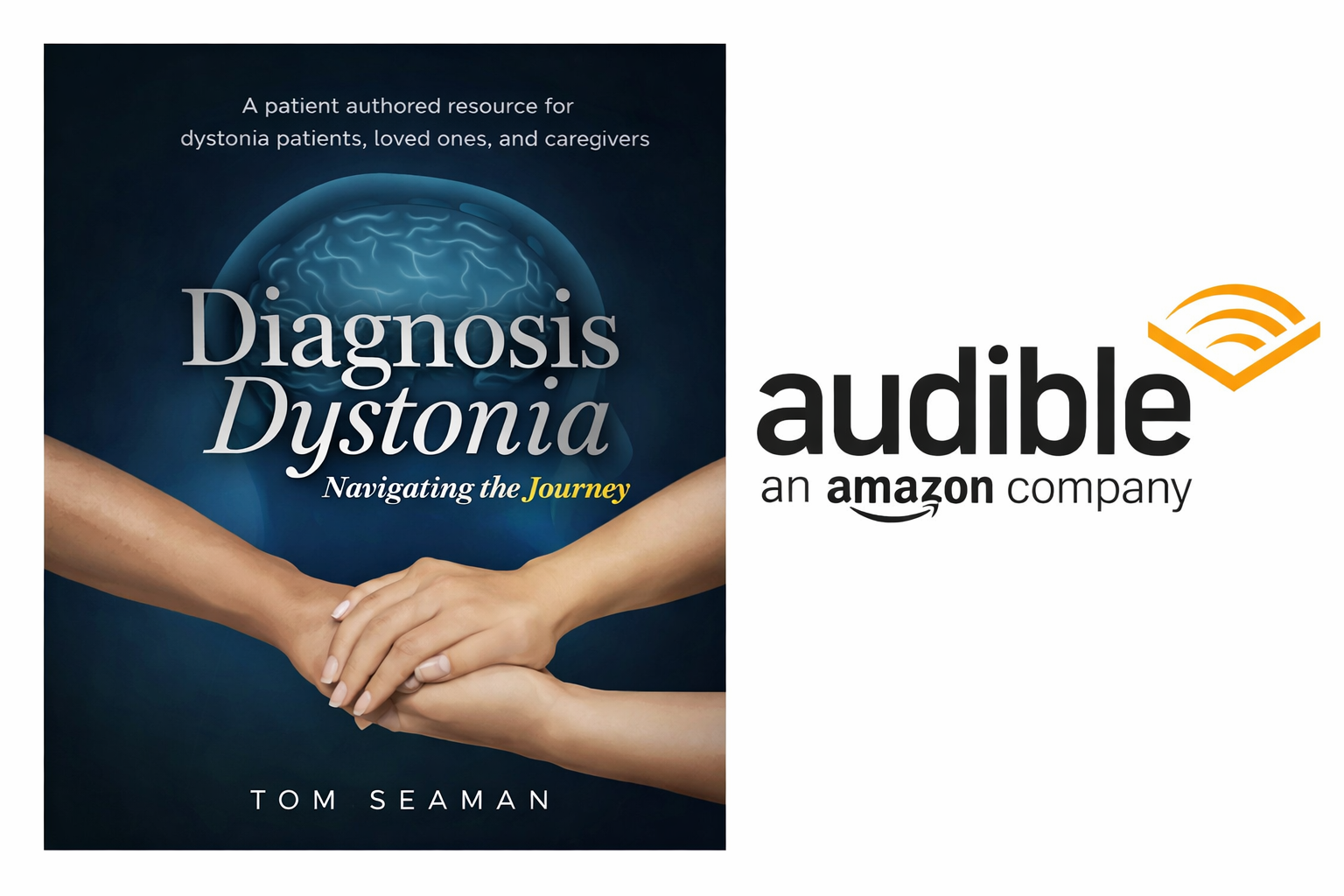
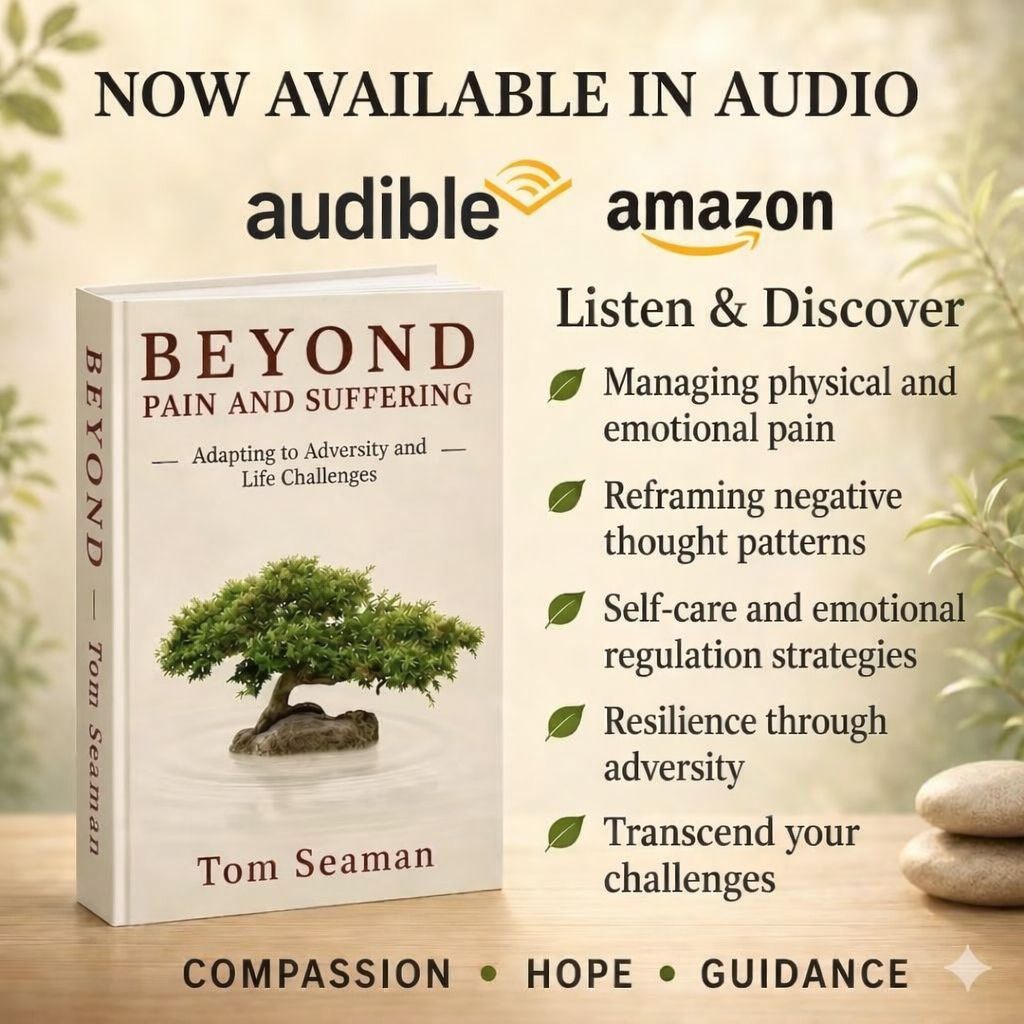
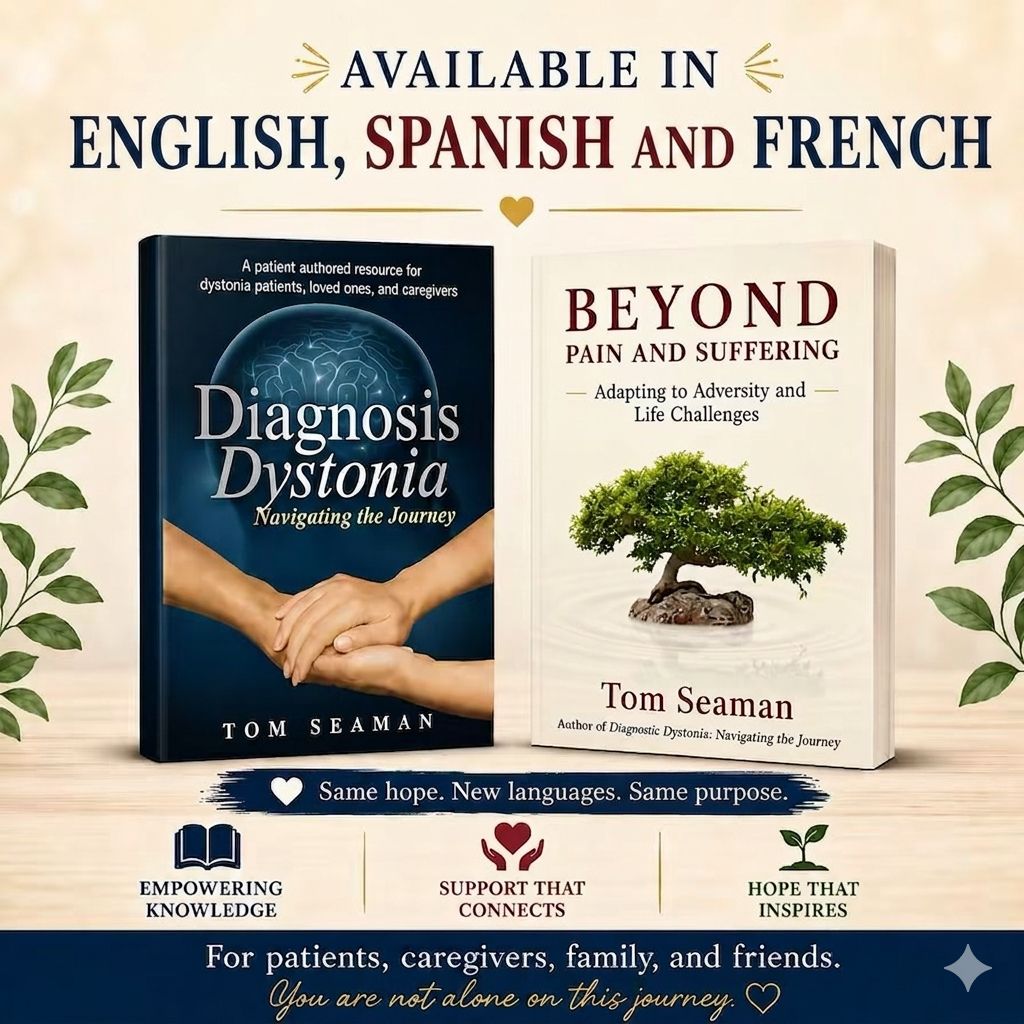
I have lived with pain most of my life, but nothing ever so intense as the pain that came when I developed dystonia 25 years ago. The emotional toll of pain can be just as bad, and sometimes even worse than the physical pain. I am still in pain, but not as bad as it once was. It is very hard for me to say what helps most because I do so many things. One or two things just isn’t enough to break the cycle of pain, adrenaline, pain, anxiety, pain, lack of sleep, pain, racing mind, pain, depression, pain, etc. Click here to read a blog about how I live my day to manage my symptoms. You can also get my 2 books which have all of this and a ton more info about living well with a chronic pain condition.

In brief, my list of tools include medications, a very targeted stretching and exercise program, massage, acupuncture, nutrition, topical lotions, CBD oil, massage, Oska Pulse, trigger point tools, ice, heat, TENS unit, abdominal work, swimming, sleep and plenty of rest during the day. On the emotional side – healthy relationships, stress management, not being so hard on myself, saying “no” without guilt, confronting and overcoming anxiety and depression, finding meaningful activities, breathing and mindfulness activities, meditation, music, dancing, writing, hobbies, taking on projects to feel a sense of accomplishment, relationships that make me laugh, but are also deeper than surface level, and most importantly, how I think about things and process life events.

For me it has become a lifestyle where there is a synergistic effect, and my days are no longer dictated by my symptoms. If you don’t have my books, you might want to check them out for more details on all these physical and emotional health issues. They are on my website (along with a lot of other resources on physical and emotional health) and on Amazon. www.TomSeaman.com
I know this list of things I do is long, and there is more that I do, but all of it has become part of my lifestyle, so it is not as daunting as it may seem. There is very little stress involved doing all these things, which is critical because the mind-body connection is so important and poor stress management is our enemy; more so than we often realize. Click here to read an article I wrote about stress management and please see my 2 books for more details.

In addition to what I mentioned above, I do my best to remove toxicity from my life, be it people, the environment, my thoughts, or what I put in my body. I also avoid noxious stimuli that overwhelms my nervous system (certain lights, sounds, environments), and how much I push myself beyond the boundaries that my body can handle. Ultimately for me, a major change in lifestyle and accepting that lifestyle is the key to my ability to better manage my pain and other symptoms. I have also decided to simply be as happy I can no matter what is going on in my life.
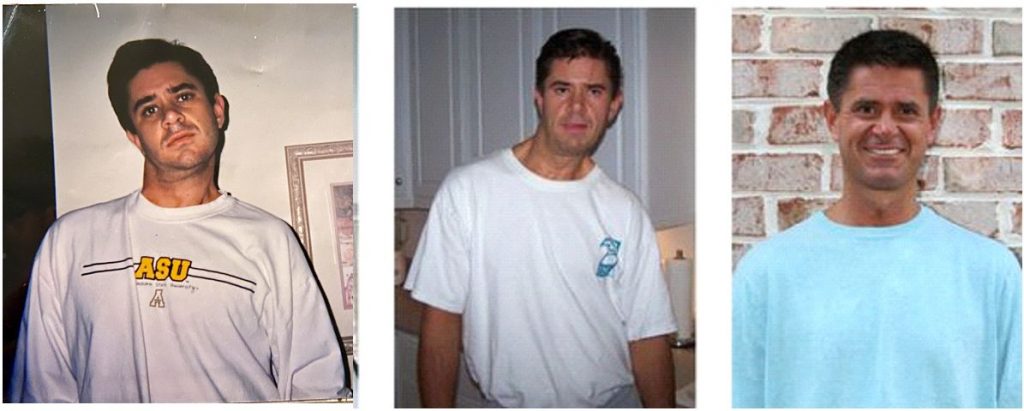
As you can see in the photos below, I have come a very long way. I still have far to go managing pain and other symptoms that you can’t see, but the point I need to extra emphasize is that the way I have been able to get improvement, and lasting improvement, is years of daily dedication to all the things I mentioned. Your puzzle pieces might be different. Please click here for an article I wrote about finding our puzzle pieces.
I also needed to learn to accept my situation and then make the most of it. For more detail, click here to read an article I wrote called, Embrace the Suck of Life. I also made a video about this concept if you want to check it out instead. It is called Embrace the Suck of Life – Honestly Coping with Challenges.
I had to get rid of the intense anger, resentment, shame, blame, depression, anxiety, and every other negative emotion for my body to begin to heal. I still slip and have bad days physically and emotionally, but I don’t let them overtake me because I know that the things I do every day will keep me on the right track. This gives me the confidence to trust myself and my body that we will get through each day together the best we can…and that is enough any of us needs to ask of ourselves.
To read part 1 and 2 of this 3 part pain series, please click on the links below:
Part 1- The real impact of pain that people cannot see
Part 2- Life impact of pain
___________________________________
 Tom Seaman is a Certified Professional Life Coach in the area of health and wellness, and the author of 2 books: Diagnosis Dystonia: Navigating the Journey and Beyond Pain and Suffering: Adapting to Adversity and Life Challenges. He is also a motivational speaker, chronic pain and dystonia awareness advocate, health blogger, and member and volunteer writer for Chronic Illness Bloggers Network, The Mighty, and Patient Worthy. To learn more about Tom, get a copy of his books (also on Amazon), or schedule a free health coaching consult, visit www.tomseamancoaching.com. Follow him on Twitter @Dystoniabook1 and Instagram.