
The Quiet Anger: Processing the Emotional Toll of Chronic Health Conditions
Living with chronic pain or other health conditions is, in many ways, an exercise in perpetual, involuntary mindfulness. For those of us navigating long-term conditions—like my own twenty‑five‑year journey with dystonia—this constant awareness is often aimed solely at surviving the next hour or bracing for the unpredictability of the next day. That vigilance becomes its own kind of burden.

Within that experience lives a quiet, persistent anger. It surfaces in the moments when a doctor compresses months of waiting into a ten‑minute consult, or when someone suggests yoga for the third time as if it were a cure. Most of us learn to swallow that anger because expressing it feels risky, draining, or simply futile. But suppressed anger doesn’t dissolve; it settles into a nervous system already operating on high alert, often intensifying the very symptoms we are trying to manage. In particular, the emotional center of the brain called the amygdala, takes over.

To interrupt this cycle, we must shift our relationship with our bodies, viewing them not as adversaries, but as partners in constant dialogue. Learning to pay attention to that conversation is the first step toward steadying yourself from within.
When you begin paying attention, patterns emerge. You notice when symptoms ease, when they intensify, and when something feels “off” in a way that deserves attention. These cues are invitations to adjust your thoughts, behaviors, or environment.

When you notice a shift in your symptoms, pause and ask yourself—aloud if necessary—What do I need right now? The answer might be rest, heat, stretching, solitude, prayer, conversation, or simply a change of scenery. Over time, you learn what reliably helps you rebalance. The key is consistency: listening, responding, and following through. For some people, just as important to noticing shifts is to document them. Even brief moments of relief matter. Journaling becomes powerful when it anchors your progress rather than cataloging only your pain. By intentionally balancing what is bothering you with what is working, you prevent the practice from becoming a vessel for negativity and instead turn it into a record of resilience.

Ultimately, this is mindfulness in its most practical form. We practice mindfulness every day without naming it—when we watch children or pets, drive, cook, or manage finances. For those of us living with chronic pain, mindfulness becomes a necessity. But awareness does not mean watching every symptom with alarm. It means noticing what needs attention, responding thoughtfully, and then giving yourself permission to return to the present instead of staying in fight-or-flight.

Mindfulness also helps us recognize the emotional layer of chronic pain—the frustration, grief, and anger we’ve often been taught to mute. When we become aware of both our physical signals and emotional responses, we reclaim a measure of agency. We begin to see our bodies not as adversaries, but as partners in communication—and that shift gives us steadier ground to stand on, even on difficult days.

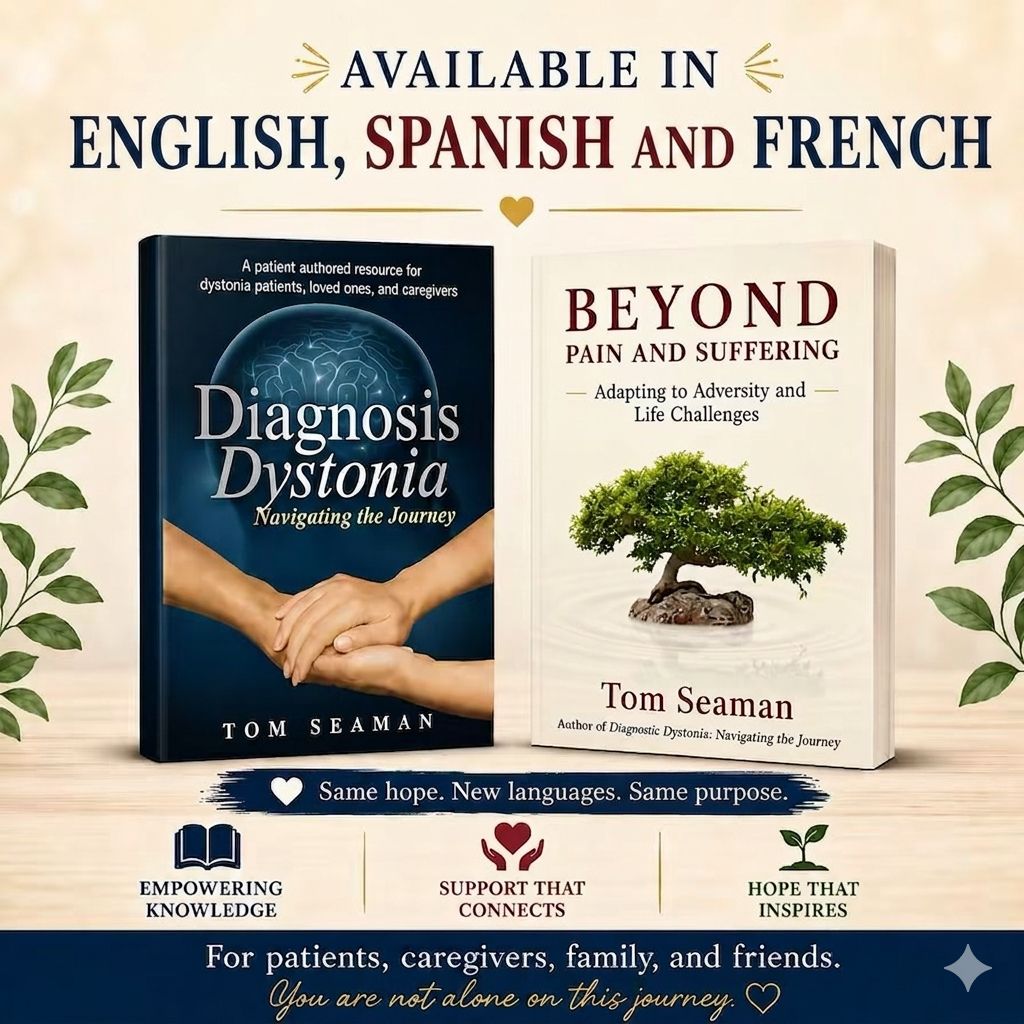
These challenges, along with more strategies for how to manage them, are covered in both of my books. This is also what I do as a coach. I help people living with chronic illness and chronic pain understand the connection between their emotions, nervous system, and physical symptoms. Together, we build practical skills for regulating stress, processing difficult emotions, calming the fight‑flight‑freeze response, and reconnecting with the body. My work is about reducing suffering, strengthening resilience, and helping you move forward with greater clarity and confidence.
_________________________
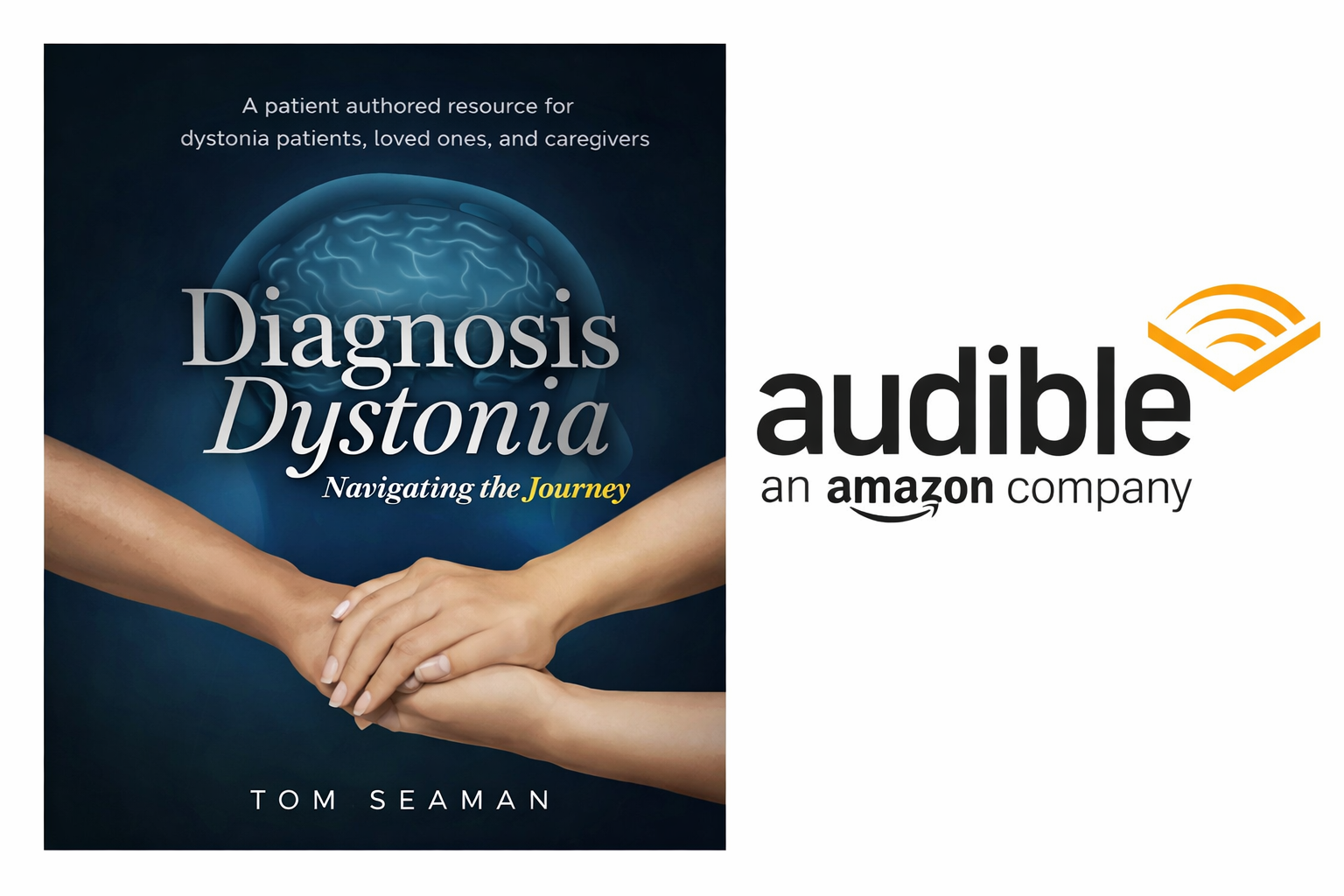
 Tom Seaman has lived with dystonia since 2001 and devotes his life to worldwide education and awareness for this life changing disorder. He is the author of 2 books: Diagnosis Dystonia: Navigating the Journey, and Beyond Pain and Suffering: Adapting to Adversity and Life Challenges, as well as hundreds of articles on dystonia, pain, and emotional health topics. Tom is a Certified Professional Life Coach in the area of health and wellness, working directly with people to help them manage their physical, emotional, social, and vocational challenges. He is also a motivational speaker and chronic pain and dystonia awareness advocate. Tom is also a volunteer writer for Chronic Illness Bloggers Network, The Mighty, and Patient Worthy. To learn more about Tom, get a copy of his books, or schedule a free life coaching consult, visit www.tomseamancoaching.com. Follow him on Twitter @Dystoniabook1 and Instagram.







Another thoughtful article by Tom. I read it just when I was experiencing strong emotional anger and anxiety. Perfect timing! Thank you ,Tom, for the work that you do for the Dystonia community.
I am glad this came at a good time for you. Best wishes and thank you!
Thank you, Tom. This is fantastic!
Thanks Therese 🙂
Thank you Tom, as always!
Best wishes
Thank you 🙂
Love this- Tom
Thank you Pam!