The Struggle Beneath the Struggle: Letting Go of Resistance
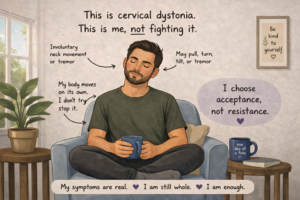
When life changes in a way we never wanted or expected, there are often two struggles taking place: the hardship itself and our struggle against the fact that it is happening. I learned this the hard way. In 2001, I developed a severe case of dystonia, a neurological movement disorder that dramatically changed the course of my life. I was in tremendous physical and emotional pain, and for a long time, much of my energy went into fighting what had happened to me.
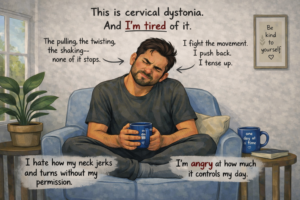
I wanted my old life back, my body to behave differently, and some certainty about what the future held. Most of all, I wanted the pain and struggle to end. Those desires were completely understandable, but eventually I recognized something important: fighting my circumstances was adding another layer of suffering to an already difficult situation.
Acceptance is not giving up
For years, I misunderstood acceptance because it sounded passive, as though accepting my circumstances meant surrendering to them or deciding that nothing could improve. I see it very differently today. Acceptance does not mean liking what happened, believing it is fair, or giving up on making things better. It means acknowledging: This is where I am right now. What can I do from here?
That shift changed a great deal for me. Instead of spending so much energy resisting reality, I could begin working with it, becoming more curious about what helped and what made things worse. I could pay closer attention to my thoughts, emotions, behaviors, nervous system, and environment, which helped me see possibilities that were difficult to recognize when I was consumed by fear and resistance.
When the struggle intensifies the pain
When something frightening or painful happens, our instinct is often to tighten our grip and search harder for a way out. I know this state well. Hypervigilance can make everything feel urgent, narrowing our perspective until the harder we try to force an answer, the less clearly we can see one. This doesn’t mean the original problem isn’t real, but there can be a second struggle layered on top of it: our desperate need for the present moment to be different from what it is.
Life also rarely follows the blueprint we have in mind. We have expectations for our health, relationships, families, careers, and future, and then something happens that changes the plan. Someone becomes ill, a relationship changes, our body stops cooperating, or a future we counted on disappears.

Part of our suffering can come from the distance between the life we expected and the life standing in front of us. We may not be able to close that distance, but we can loosen our grip on the belief that life must look a certain way before we can experience meaning, gratitude, peace, or even joy again.
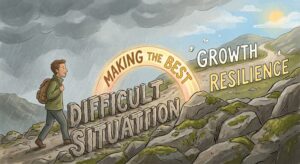
Over time, I began asking myself different questions. Instead of How do I make this go away? I began asking, How can I work with what is happening right now? and How do I make the best of a difficult situation? These questions gave me somewhere to go.
Focus on the part that belongs to you
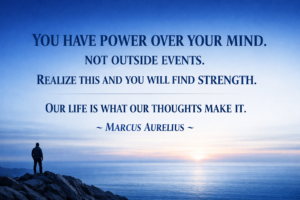
One of the most freeing lessons I’ve learned is that I don’t have to control everything in order to influence my life. Circumstances, other people’s behavior, the past, unexpected setbacks, and many aspects of health may be outside my control, but I can choose where I place my energy, question thoughts that increase my fear, ask for help, rest when I need to, and make the next decision without trying to solve the rest of my life all at once. This is a very different kind of control, and I find it far more empowering.
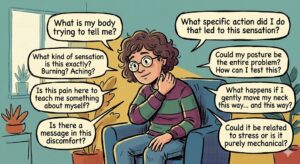
When I feel overwhelmed, I try to pause rather than immediately solve everything. I notice my breathing and allow myself to feel what is there without judging it, fixing it, or running from it. Breathing doesn’t magically remove life’s problems, but creating a little space between myself and the problem can change the way I meet it. Fear says, Something has to change right now. Stillness asks, What do I actually need in this moment? That second question has served me far better.
I also used to think we should be grateful when difficult things happened because hardship could make us stronger. Today I see it differently. We don’t have to be grateful for suffering, but we can remain open to what it may eventually teach us. Some experiences are simply painful and some losses leave permanent marks, so we don’t need to romanticize them or turn every tragedy into a lesson. Still, hardship can change our perspective, clarify what matters, deepen compassion, and reveal strengths we didn’t know we had. Sometimes what we learn while finding our own way through becomes something we can offer another person who is struggling. That has certainly been true in my life.
Work with life, not against it
After decades of living with dystonia, pain, and other health challenges, I don’t believe peace comes from arranging life so that nothing difficult ever happens. That life doesn’t exist. For me, peace has increasingly come from learning not to fight every moment I didn’t choose. There are still difficult days and things I wish were different, but I am learning that resilience isn’t always about becoming tougher. Sometimes it is about becoming more flexible, loosening our grip, and meeting ourselves where we are rather than where we think we should be.
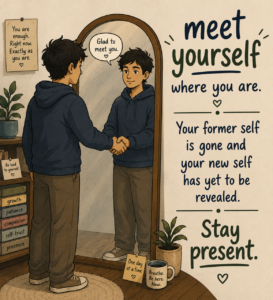
We cannot always choose what life puts in front of us, but we can keep learning how to meet it. Sometimes, when we stop using all our strength to fight the current, we finally have enough energy left to begin swimming toward something new.
______________________
 Tom Seaman has lived with dystonia since 2001 and devotes his life to worldwide education and awareness for this life changing disorder. He is the author of 2 books: Diagnosis Dystonia: Navigating the Journey, and Beyond Pain and Suffering: Adapting to Adversity and Life Challenges, as well as hundreds of articles on dystonia, pain, and emotional health topics. Tom is a Certified Professional Life Coach in the area of health and wellness, working directly with people to help them manage their physical, emotional, social, and vocational challenges. He is also a motivational speaker and chronic pain and dystonia awareness advocate. Tom is also a volunteer writer for Chronic Illness Bloggers Network, The Mighty, and Patient Worthy. To learn more about Tom, get a copy of his books, or schedule a free life coaching consult, visit www.tomseamancoaching.com. Follow him on Twitter @Dystoniabook1 and Instagram.