Learning to feel safe in a body that hurts
Living with chronic pain or a chronic health condition doesn’t affect only the body. Over time, it can change how we think, feel, and react to what is happening inside us. I know this from experience. I have lived with a movement disorder called dystonia since 2001, and one of the hardest parts has always been the uncertainty. I don’t know how I will feel from one hour to the next or one day to the next. When symptoms can suddenly intensify and completely change your day, it is difficult not to become watchful and concerned about what might happen next.
For many years, most of my attention was focused on treating my physical symptoms. At my most severe, I was dealing with intense pain and uncontrollable muscle spasms in my neck and back that involuntarily pulled my head so hard that I spent my entire day on the floor rolling around. I lost most of my physical abilities and went from being an extremely active person to living a very different life.
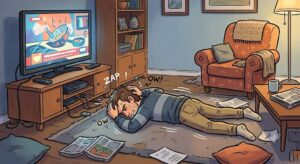
Along with the physical changes came depression, anger, grief, sadness, frustration, envy, resentment, and fear. Some of these emotions still cycle through my life today. I’ve learned that this is part of living with a condition that dramatically changes your life. If you experience these emotions, don’t beat yourself up for having them. It is normal and part of coming to terms with a crummy situation.
About midway through my years with dystonia, I began paying more attention to something I had previously overlooked: the relationship between my physical symptoms, my emotions, and my nervous system. I wasn’t abandoning treatment of my body. I was realizing that I also needed to address what years of pain, fear, uncertainty, and loss had done to me emotionally.
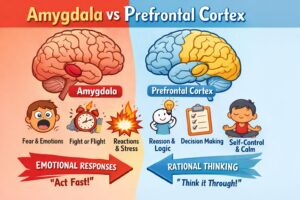
When We Become Afraid of Our Symptoms
When you’ve experienced pain or frightening physical symptoms repeatedly, it makes sense to become afraid of them. You may start monitoring your body more closely, wondering what every sensation means or worrying that a bad episode is about to begin.
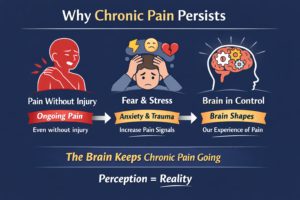
This isn’t weakness, and it isn’t your fault. Our nervous system is designed to protect us. After repeated experiences of pain or other distressing symptoms, it can become increasingly alert to bodily sensations. Something uncomfortable may quickly trigger thoughts such as, what if this gets worse? What if I can’t handle this? What if something is wrong?
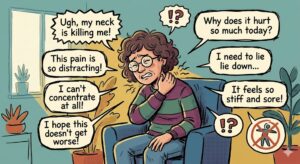
The sensation creates fear. Fear increases our attention to the sensation. Increased attention can create more anxiety and distress, and soon we can find ourselves caught in a cycle that is difficult to break.
For some people, this excessive distress and preoccupation with physical symptoms may be part of conditions known as Somatic Symptom Disorder and Central Sensitization. An important point that is often misunderstood is that the physical symptoms and suffering are real. A mindbody component does not mean someone is imagining their symptoms or “making them up.”
Changing our Relationship with Symptoms
One of the biggest lessons I have learned is that constantly fighting my body doesn’t necessarily make me feel safer. When pain appears, anger, fear, frustration, or thoughts about how much I hate what is happening can arise almost automatically. That reaction is understandable, but I’ve learned to become more aware of it and, when possible, avoid adding another layer of emotional distress to an already difficult physical experience. I learned to add curiosity to the physical sensations. This is one of the practices in Pain Reprocessing Therapy.
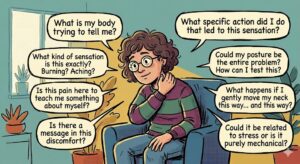
For me, this is where emotional regulation has become so important. It doesn’t mean ignoring symptoms or pretending everything is fine. It means learning to pause, notice what is happening, and respond with less fear and resistance when possible. Mindfulness and breathing practices, meditation, grounding techniques, somatic tracking, and other approaches can help people develop a healthier relationship with difficult sensations and emotions.
Give Yourself Some Grace
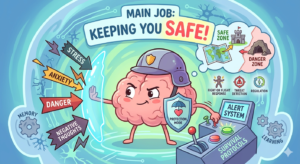
If chronic pain or illness has made you anxious about your body, you didn’t choose this response. It is your brain trying to protect you. If you find yourself checking symptoms, worrying about tomorrow, grieving your old life, becoming angry with your body, or feeling afraid of another bad episode, don’t turn those reactions into another reason to criticize yourself. The brain will try to protect you more which can ramp up your pain and other symptoms.
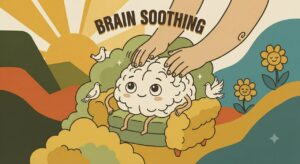
Start with understanding. Your mind and body have been trying to help you survive something difficult. The goal isn’t to force yourself to stop feeling fear, anger, sadness, or frustration. It is to learn how to experience those emotions without allowing them to control every part of your life. Your other goal is to not try and force the symptoms out of your body. It should be learning to work with your symptoms differently rather than fighting them. As the saying goes, “what we resist, persists.”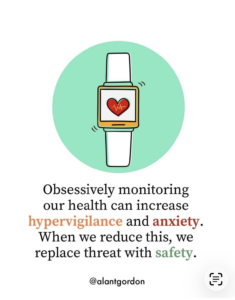 After more than two decades of living with dystonia, I still have symptoms. I still struggle. I still have difficult days, and I certainly haven’t mastered all of this. But I have learned that constantly fighting myself only adds another struggle to the struggle I already have.
Sometimes healing begins not with forcing the body to change, but with changing the way we relate to ourselves when the body is having a difficult day. And perhaps one of the most important places to begin is by reminding ourselves:
This isn’t my fault. My symptoms are real. My emotions make sense. And I can learn a different way of responding to what I’m experiencing. This is where we gain back some control, which can feel very empowering.
______________________
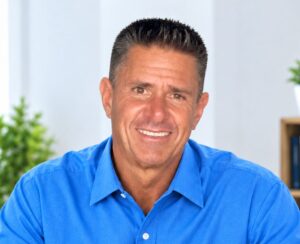 Tom Seaman has lived with dystonia since 2001 and devotes his life to worldwide education and awareness for this life changing disorder. He is the author of 2 books: Diagnosis Dystonia: Navigating the Journey, and Beyond Pain and Suffering: Adapting to Adversity and Life Challenges, as well as hundreds of articles on dystonia, pain, and emotional health topics. Tom is a Certified Professional Life Coach in the area of health and wellness, working directly with people to help them manage their physical, emotional, social, and vocational challenges. He is also a motivational speaker and chronic pain and dystonia awareness advocate. Tom is also a volunteer writer for Chronic Illness Bloggers Network, The Mighty, and Patient Worthy. To learn more about Tom, get a copy of his books, or schedule a free life coaching consult, visit www.tomseamancoaching.com. Follow him on Twitter @Dystoniabook1 and Instagram.